

Transitioning From Furnaces to Heat Pumps With Expert Heating Service
Homeowners seeking greater energy efficiency often look to replace aging combustion equipment with modern electric alternatives. Modern heat pump technology provides both heating and cooling in a single mechanical unit, offering a versatile solution for year-round temperature control. Making this major transition requires thoughtful planning, proper equipment sizing, and the assistance of a qualified heating service. Replacing a standard gas or electric furnace with a heat pump will lower household emissions and create consistent indoor comfort when handled properly.
Evaluating the Heating Needs of Your Home
Before removing an older furnace, a thorough assessment of your living space is necessary to determine the appropriate system capacity. Traditional furnaces produce sudden bursts of high heat, whereas heat pumps deliver a steady, continuous stream of warm air. Because the heating dynamics differ significantly, an oversized or undersized unit can cause uneven temperatures, excessive wear on mechanical components, and higher electric bills.
A licensed technician performs a detailed heating load calculation, commonly referred to in the industry as a Manual J calculation. This assessment takes into account several critical aspects of your residence:
- The total square footage, ceiling height, and layout of each room
- The quality, age, and thickness of existing insulation in your attic, crawlspace, and exterior walls
- The orientation of your home relative to daily sun exposure and prevailing wind patterns
- The number, age, and seal integrity of your windows and exterior doors
Addressing heat loss through air sealing and insulation improvements prior to installation often allows you to install a smaller, more efficient system. Taking the time to properly evaluate these factors protects your investment and confirms that your new setup will perform reliably during cold winter nights. Enlisting a professional heating service for this initial inspection provides peace of mind and prevents common sizing errors.
Comparing Heat Pumps and Traditional Furnaces
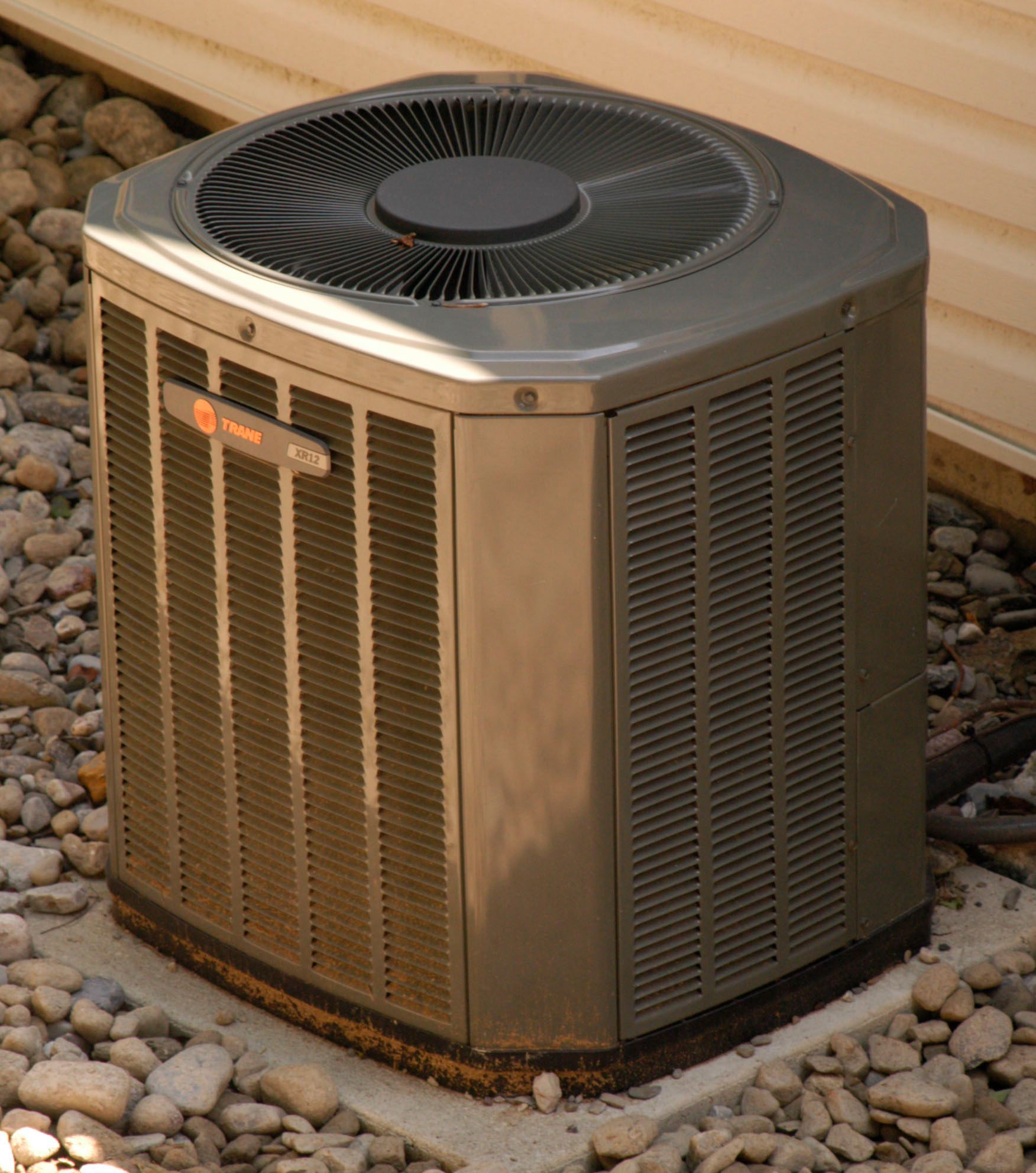
Furnaces generate heat by burning fossil fuels like natural gas or propane, or by passing electric current through high-resistance coils. In contrast, heat pumps do not generate heat directly from fuel. Instead, they operate like a refrigerator in reverse, using refrigerant chemistry to absorb ambient thermal energy from outdoor air and transfer it inside. In warmer months, a reversing valve alters the refrigerant flow, allowing the exact same machine to act as a central air conditioner.
According to Gitnux, 62% of consumers prefer heat pumps over furnaces for new installations when upgrading their residential heating equipment. This growing preference stems from several functional advantages that heat pumps provide over traditional combustion appliances:
- Year-round operation: A single heat pump handles both winter heating and summer cooling, eliminating the need to purchase, maintain, and replace two separate appliances.
- Superior efficiency: Because moving heat requires far less energy than creating heat, high-efficiency heat pumps can deliver up to three times more heat energy than the electrical energy they consume.
- Enhanced safety: Eliminating combustion burners removes the risks of gas leaks, open flames, and carbon monoxide buildup in your living spaces.
- Consistent comfort: Variable-speed inverter compressors modulate their output to maintain steady indoor temperatures without the noticeable temperature swings common to single-stage furnaces.
While furnaces can rapidly raise indoor air temperatures by venting extreme heat, heat pumps run longer cycles at lower, steady speeds. This gradual process distributes warm air more evenly, reduces cold drafts, and prevents hot spots from developing across different levels of the home.
Preparing Your Ductwork and Electrical Systems
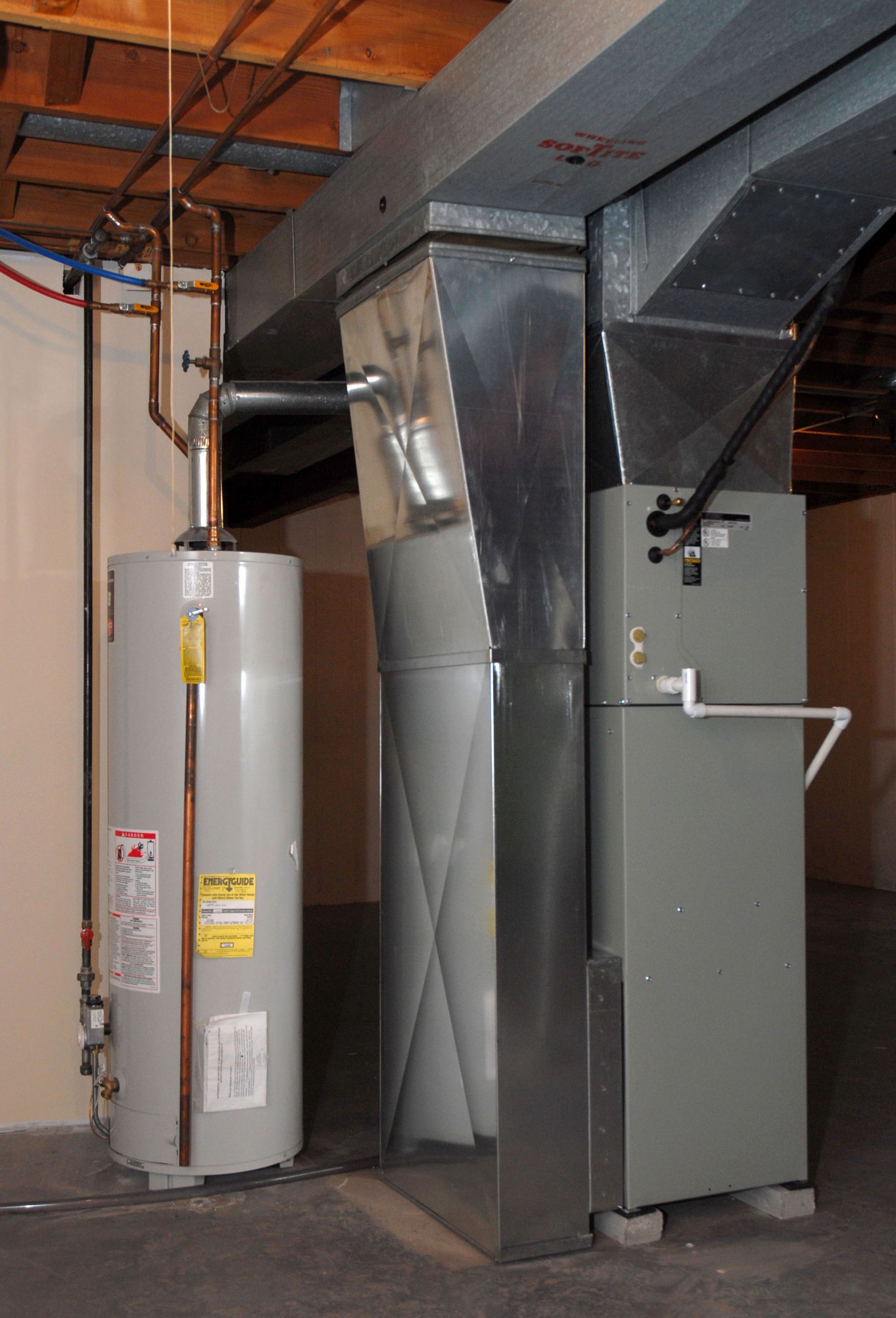
Switching from a gas furnace to an electric heat pump involves significant changes to your home's infrastructure. Gas furnaces rely on a gas supply pipe, a dedicated flue pipe for venting combustion gases, and a standard 120-volt electrical circuit to run the blower motor. Heat pumps, however, require a 240-volt electrical connection to power both the outdoor compressor and the indoor air handler.
An electrical contractor or heating technician will inspect your main electrical panel to confirm that it has sufficient amperage to support the new heat pump. Older panels with 100-amp service frequently require an upgrade to 200 amps, particularly if your home also runs an electric water heater, an electric range, or an electric vehicle charger. Technicians will also install a dedicated circuit breaker and an outdoor disconnect box near the exterior unit to satisfy local building codes.
Ductwork also demands close scrutiny during this transition. Heat pumps move a higher volume of air at slightly lower delivery temperatures than traditional furnaces. If your ducts are undersized, restricted, or poorly sealed, air distribution will suffer. A dependable heating service can test your duct system for static pressure imbalances and air leaks. Sealing loose duct joints, replacing damaged flexible duct sections, and insulating unconditioned duct runs will make sure that conditioned air reaches every room efficiently.
Calculating Long-Term Energy and Cost Savings
Upgrading to a heat pump represents a significant financial investment, but the ongoing operational savings help balance the initial purchase and installation expenses. Because heat pumps transfer thermal energy rather than burning fuel, they achieve efficiency ratings far exceeding those of combustion furnaces. The annual fuel utilization efficiency of a brand-new gas furnace tops out around 98%, whereas the coefficient of performance for a modern heat pump can exceed 300% during moderate winter temperatures.
Homeowners can expect multiple financial and operational benefits over the life of the system:
- Lower monthly utility costs: Homes converting from electric resistance baseboards, propane furnaces, or aging oil burners frequently see immediate reductions in monthly heating bills.
- Streamlined maintenance expenses: Maintaining a single combined heating and cooling system costs less over time than servicing a standalone furnace alongside a separate air conditioner.
- Federal tax incentives and rebates: The Inflation Reduction Act provides tax credits covering up to 30% of the project cost for qualifying high-efficiency heat pumps, along with regional utility rebates that substantially reduce upfront expenses.
- Protection from fuel price volatility: Switching away from delivered fuels, such as propane or heating oil, shields household budgets from unpredictable seasonal commodity price spikes.
Calculating your estimated payback period requires reviewing your local electric rates, fuel costs, and regional climate patterns. In moderate climates, operating a heat pump produces substantial savings every month of the heating season.
Scheduling Professional Installation and Ongoing Maintenance
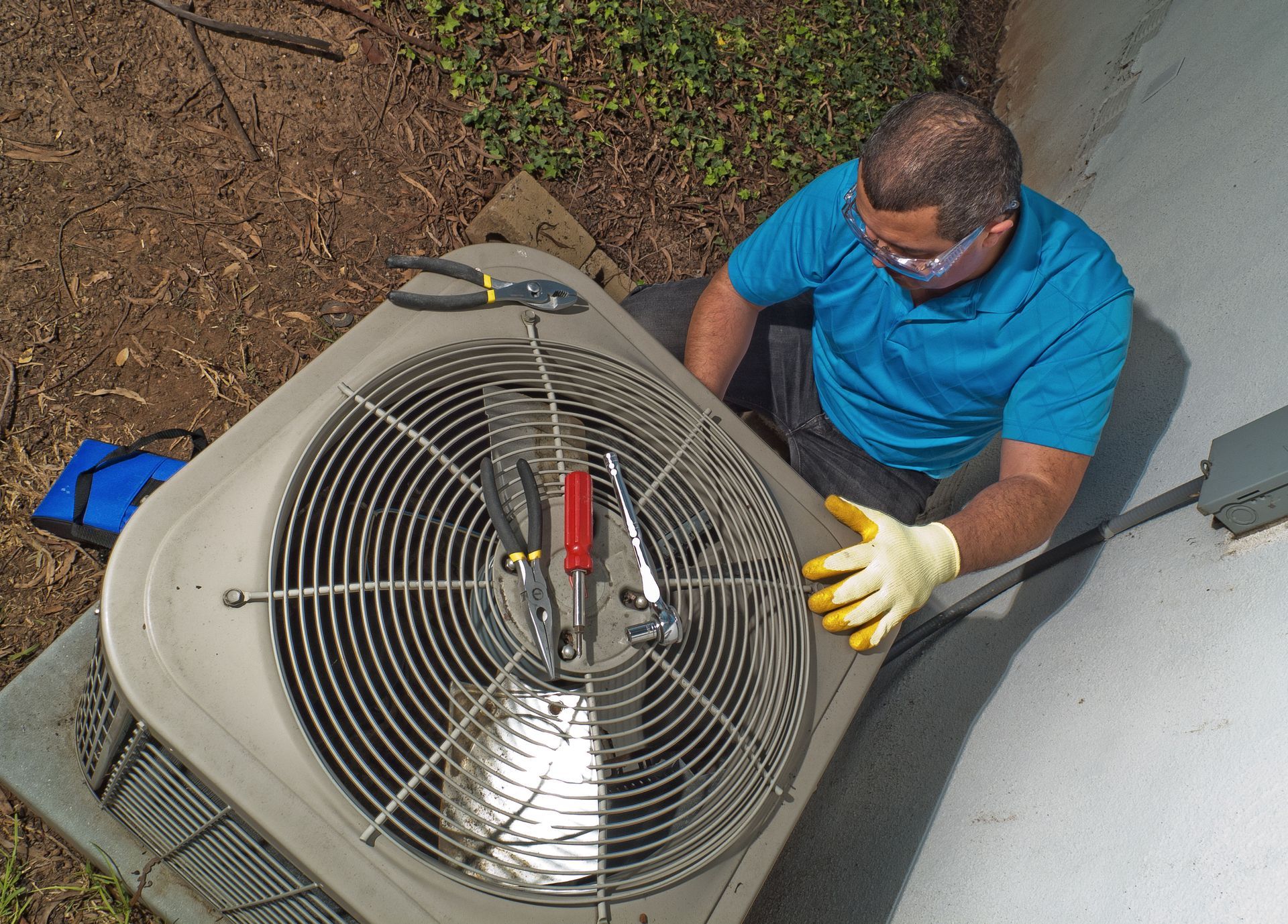
Heat pump installation requires specialized technical skills, precise refrigerant handling, and comprehensive knowledge of airflow dynamics. Trying to install or service these advanced machines without professional training poses serious safety hazards, risks damaging sensitive electronic control boards, and can void manufacturer equipment warranties. Federal law also mandates proper environmental certification to handle, recover, and charge fluorinated refrigerants.
When technicians arrive to complete your conversion, they carry out a multi-step procedure to protect your property and establish proper system performance:
- Safely disconnecting and capping existing gas lines, fuel tanks, and flue pipes.
- Removing and responsibly recycling the old furnace and outdated air conditioning coils.
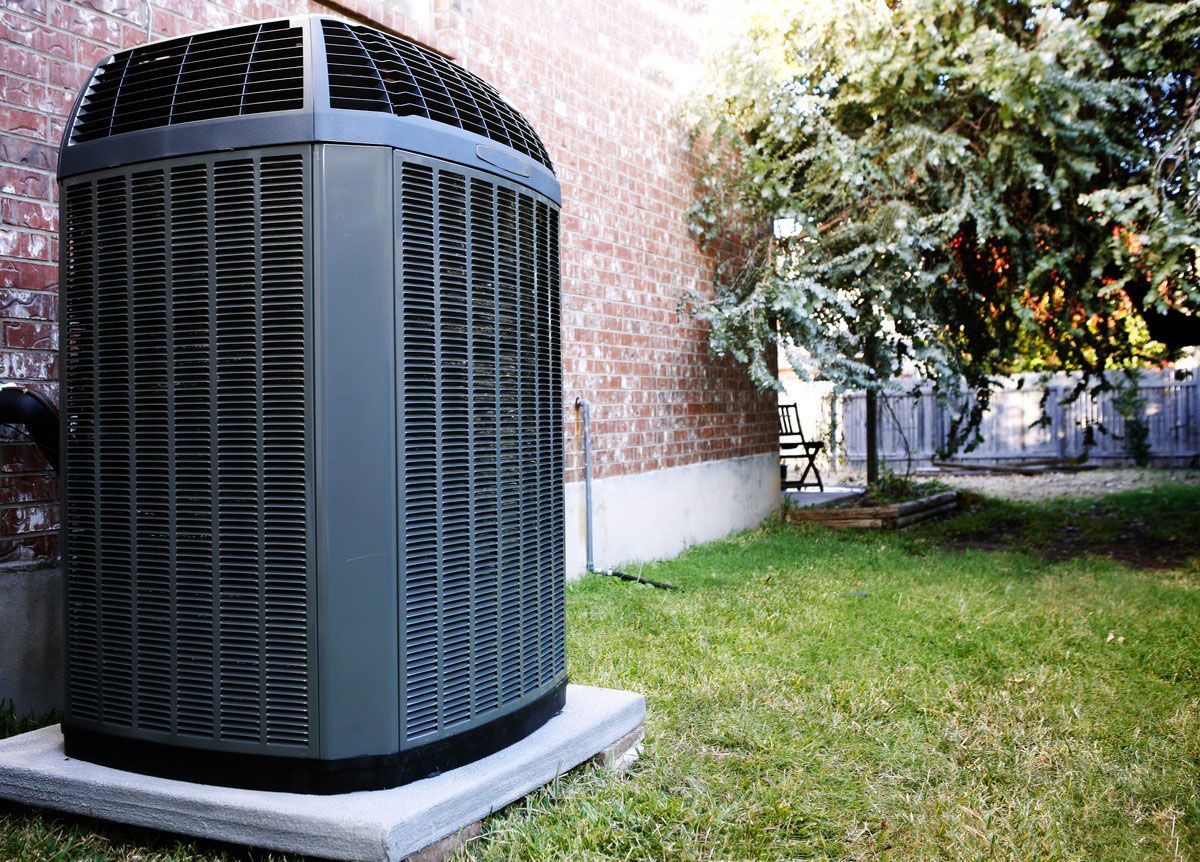
- Placing the outdoor heat pump on an elevated composite pad or wall brackets to keep the coil clear of snow, ice, and garden debris.
- Running insulated refrigerant lines between the outdoor compressor and indoor air handler.
- Evacuating the refrigerant lines with a vacuum pump to remove moisture before releasing the factory charge.
- Calibrating the new smart thermostat and testing all operating modes under full load.
After installation, protecting your system requires routine heating service twice each year. Because a heat pump works in both summer and winter, it operates for roughly twice as many hours each year as a heating-only furnace. Seasonal tune-ups in the spring and fall include cleaning the outdoor coil, checking electrical terminals, testing the defrost cycle, measuring refrigerant pressures, and inspecting the blower wheel. Replacing air filters every one to three months maintains proper airflow and preserves peak operating efficiency.
Transitioning from a traditional furnace to an energy-efficient heat pump reduces fossil fuel reliance, improves indoor comfort, and provides year-round climate control for your household. Partnering with qualified technicians ensures that your electrical panel, duct network, and equipment selections work in harmony for decades of reliable performance. To schedule a comprehensive home assessment and receive dependable heating service for your home, contact Joe East One Hour Heating and Air Conditioning.

Share On: