

Premium Residential HVAC Upgrades for Sustainable Home Comfort
In the quest for sustainable home comfort, modernizing heating and cooling infrastructure has become a pivotal decision for environmentally conscious homeowners. Today's premium residential HVAC upgrades merge ecological stewardship with personal luxury, ensuring temperature regulation works hand-in-hand with resource conservation. Rather than settling for outdated equipment that strains power grids and inflates utility bills, modern households are transforming their living spaces into models of efficiency. Through thoughtful planning and selective technological investments, families can reduce carbon emissions while enjoying healthier, fresher, and more consistent climate control across every room.
Understanding the Evolution of Home Climate Control
Heating and cooling equipment serves as the operational heart of household wellness, setting the baseline for daily health, humidity balance, and indoor air quality. Traditional configurations often relied on simple on-and-off cycles that consumed excessive power while causing sharp temperature swings throughout the house. Modern residential HVAC engineering abandons this blunt approach in favor of modulated components that adapt fluidly to environmental shifts. By maintaining balanced airflow and steady thermal envelopes, modern systems prevent moisture accumulation, eliminate cold spots, and filter airborne particulates. This functional leap ensures that everyday comfort directly aligns with ecological responsibility. Choosing high-performance residential HVAC equipment has evolved from an optional luxury into a cornerstone of responsible property ownership.
Evaluating Household Emissions and Energy Demands
Mechanical conditioning represents the largest portion of annual domestic energy consumption in single-family properties. Outdated heaters and air conditioners place heavy demands on regional grids, accelerating fossil fuel extraction and driving greenhouse gas emissions. Transitioning to advanced residential HVAC units counters this environmental toll by delivering superior heating and cooling output with substantially less electrical input. These sustainable configurations optimize thermodynamic heat transfer, curtailing energy waste before it occurs. Lowering aggregate power requirements directly shrinks a home's operating footprint, supporting broader decarbonization objectives. According to Home Services Marketing, more than 60% of HVAC customers are now willing to pay a premium for eco-friendly, energy-efficient HVAC systems. This consumer shift reflects a collective determination to treat home comfort as an active practice of environmental conservation.
Analyzing Long-Term Financial and Property Gains
While investing in cutting-edge residential HVAC architecture involves an upfront expenditure, the financial return over the system's lifecycle is substantial. Premium components dramatically reduce monthly electricity and gas charges, allowing homeowners to recoup expenses through continuous utility savings. Over years of operation, these compounding reductions protect household budgets against rising utility rates. Furthermore, high-performance climate infrastructure directly enhances property resale value. Prospective homebuyers routinely seek out residences featuring verified green credentials and lower operating costs. An energy-efficient heating and cooling plant serves as a compelling selling point on the real estate market, signaling proactive maintenance and minimal impending repair expenses.
Integrating Smart Thermostats and Automated Controls
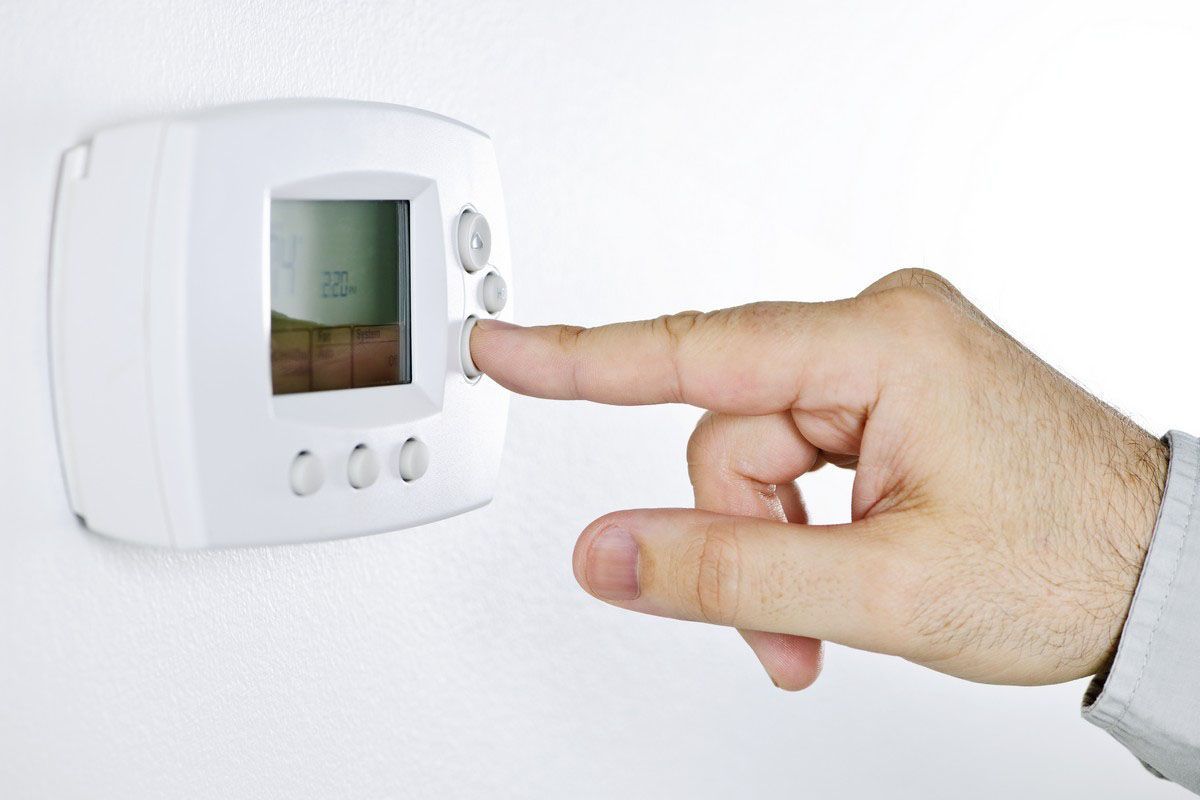
Smart thermostats serve as the digital brain of contemporary household efficiency, orchestrating thermal adjustments with minimal need for manual oversight. These intuitive controllers utilize algorithms to detect daily occupancy patterns, adjusting output automatically when family members leave for work or retire for the night. Homeowners can oversee their residential HVAC performance through mobile apps, accessing real-time diagnostic reports and energy statistics remotely. Sophisticated sensors monitor humidity, sunlight penetration, and exterior weather variations to make proactive adjustments, avoiding unnecessary cycles during peak utility hours. By continuously aligning climate generation with actual occupancy demands, smart automation eliminates wasteful conditioning in unoccupied spaces, reinforcing a frictionless approach to sustainable living.
Implementing Variable Refrigerant Flow Systems
Variable Refrigerant Flow (VRF) technology represents one of the most sophisticated engineering breakthroughs in modern residential HVAC design. Unlike conventional units that cycle abruptly between full power and total shutoff, VRF systems modulate refrigerant flow continuously to match the precise heating or cooling demands of individual living zones. By delivering only the exact thermal capacity needed, these systems eliminate energy surges and maintain whisper-quiet performance. Furthermore, advanced heat-recovery VRF systems can redistribute thermal energy simultaneously across different rooms, cooling a sun-drenched office while warming a shaded bedroom. This intelligent heat movement minimizes compressor workload, providing exceptional comfort while cutting redundant energy expenditure across all seasons.
Harnessing Earth Energy with Geothermal Heat Pumps
Geothermal ground-source heat pumps offer an exceptionally sustainable path to year-round temperature management by tapping into constant thermal reserves beneath the earth's surface. While ambient outside air temperatures fluctuate dramatically throughout the seasons, soil temperatures just several feet underground remain remarkably consistent. Geothermal systems circulate an environmentally benign fluid through subterranean loop fields to extract thermal energy during winter and deposit excess heat during summer. Because they transfer existing heat rather than generating it through combustion, these systems operate with unparalleled efficiency metrics. The underground infrastructure boasts extraordinary durability, frequently lasting several decades with minimal maintenance while eliminating noisy outdoor condenser units from the yard.
Balancing Fresh Air and Humidity with Energy Recovery Ventilators
Modern energy-efficient construction emphasizes airtight building envelopes to prevent thermal leaks, but tightly sealed walls can trap indoor pollutants, dust, and excess moisture inside the living space. Energy Recovery Ventilators (ERVs) resolve this dilemma by expelling stale air and drawing in fresh outdoor air while transferring thermal heat and moisture between the two airstreams. In humid summer months, incoming air is pre-cooled and dehumidified before reaching distribution ducts; during freezing winters, incoming outdoor air is pre-warmed and humidified. By recovering up to 80% of the energy from exhausted air, an ERV enables continuous fresh ventilation without overworking primary equipment. This balanced circulation protects building materials against moisture damage, improves respiratory health, and maintains indoor air quality.
Dividing Indoor Spaces with Precision Zoning Solutions
Traditional single-thermostat arrangements force an entire house to submit to a uniform thermal standard, which inevitably leads to uncomfortable temperature swings and wasted energy in empty rooms. Precision zoning solves this problem by using electronically controlled duct dampers and dedicated zone thermostats to divide the floor plan into distinct climate sectors. Multilevel residences, properties with vaulted ceilings, and sprawling ranch layouts benefit immensely from this localized control, ensuring that unoccupied guest rooms do not consume conditioning resources while primary living spaces remain comfortable. When combined with variable-speed blowers, zoning channels conditioned air only where actively desired, reducing mechanical strain, extending component longevity, and preventing the wasteful conditioning of vacant rooms.
Maximizing Performance Through SEER and EER Ratings
Evaluating standardized efficiency metrics is vital when selecting premium mechanical upgrades. The Seasonal Energy Efficiency Ratio (SEER2) and Energy Efficiency Ratio (EER2) measure cooling efficiency across dynamic seasonal variations and steady-state peak temperatures. High-efficiency units utilize advanced two-stage or variable-speed compressors that operate at lower capacities for long stretches, using less power to deliver even temperatures and superior moisture removal. Transitioning from an aging unit with an obsolete rating to a modern high-SEER system can cut monthly cooling electricity usage by nearly half, delivering immediate budgetary relief. These performance scores empower consumers to compare mechanical efficiency objectively, ensuring that their capital investment delivers measurable environmental protection and enduring financial dividends.
Capitalizing on Rebates and Professional Upgrades
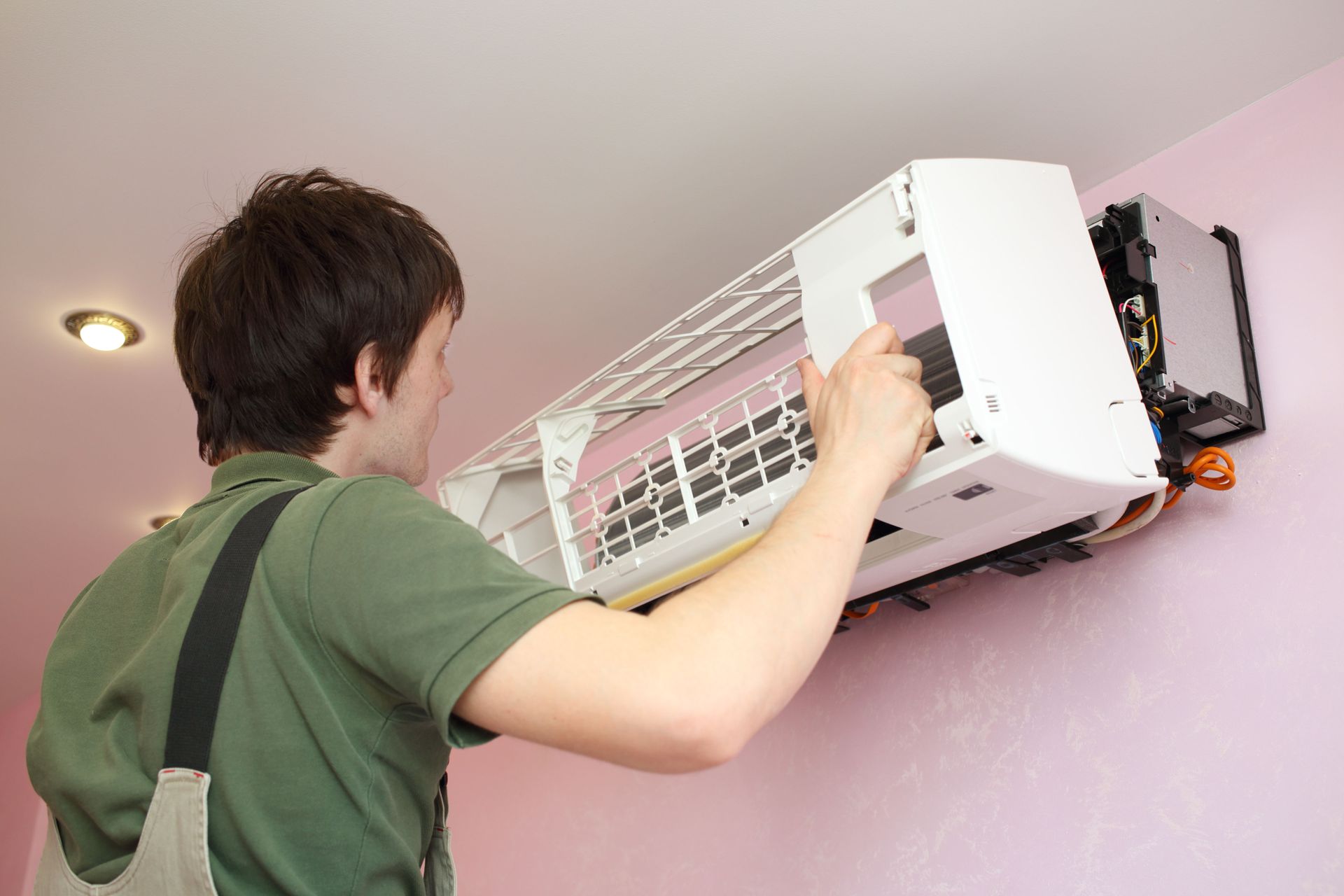
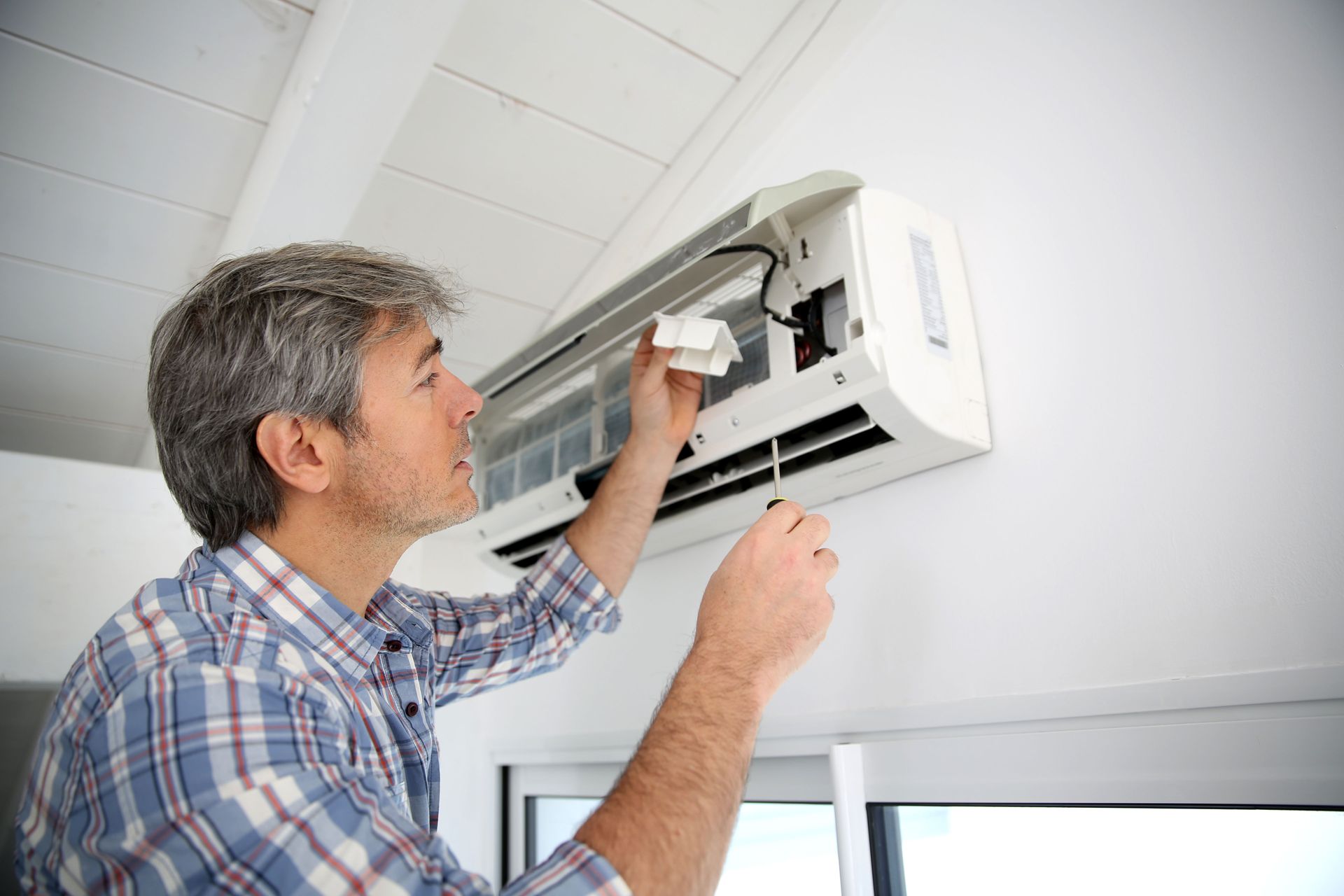
To encourage the widespread adoption of sustainable technology, federal agencies, state governments, and municipal electric utilities offer substantial financial incentives, tax deductions, and rebates for qualifying installations. These financial programs significantly lower initial equipment costs, accelerating the payback timeline on high-efficiency systems. Maximizing these benefits requires strategic planning and collaboration with certified heating and air technicians who understand local building codes, load calculations, and regulatory rebate requirements. A certified installation team ensures proper duct sizing, correct refrigerant charging, and flawless calibration, preventing performance bottlenecks that compromise equipment longevity. To begin transforming your living space with dependable, energy-efficient residential HVAC solutions that elevate comfort while lowering utility bills, contact the trusted local professionals at Joe East One Hour Heating and Air Conditioning today.



Share On: