

Planning Home Upgrades With Professional AC Services
Planning comprehensive home upgrades requires careful attention to climate control, with central cooling systems standing as a pivotal investment for modern households. Whether the goal is lowering monthly utility expenses, restoring consistent indoor temperatures, or increasing overall real estate appraisal value, relying on professional AC services establishes an indispensable foundation for long-term project success. Navigating mechanical updates requires an understanding of structural cooling loads, equipment sizing, air distribution dynamics, and advanced indoor environmental controls. Homeowners often struggle to balance immediate renovation budgets against future lifecycle operating savings. By approaching cooling replacements with clear milestones, thoughtful budgeting, and professional oversight, property owners can transform inconsistent, drafty living spaces into durable models of energy efficiency and reliable indoor relaxation.
Evaluating Current Cooling Performance
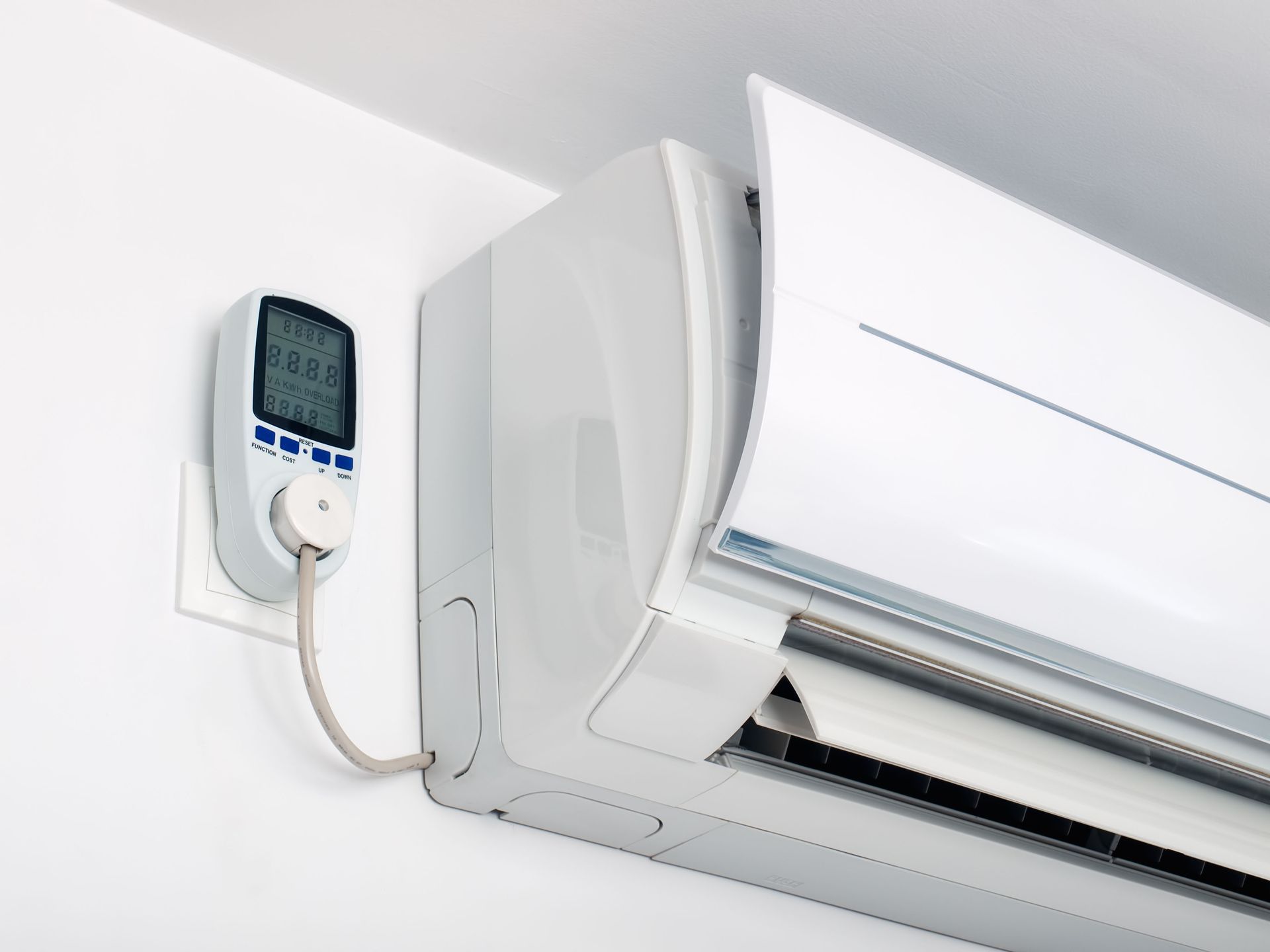
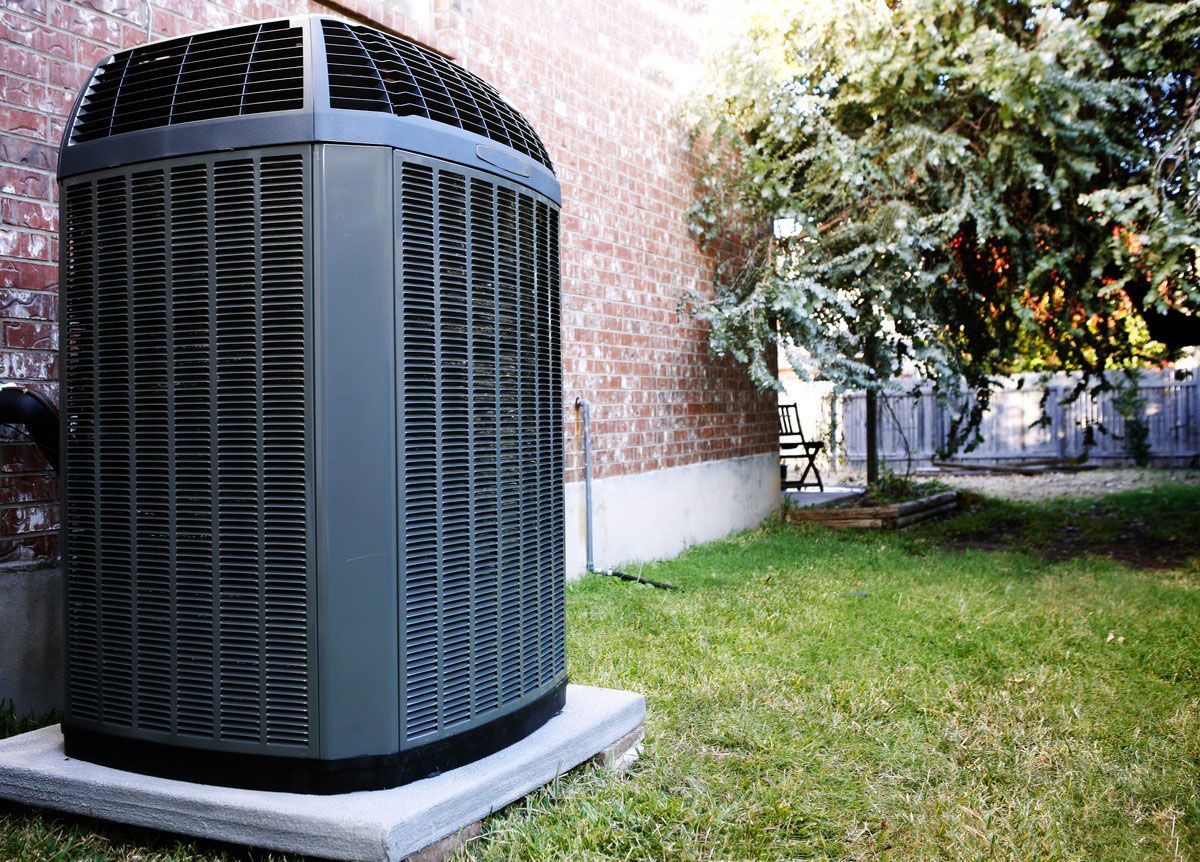
Assessing an existing air conditioner is the foundational step before purchasing replacement equipment or reconfiguring duct pathways. Over time, mechanical components suffer from unavoidable wear, leading to degraded performance, diminished airflow, and subtle leaks that force the compressor to operate under constant strain. Homeowners frequently tolerate minor warning signs—such as erratic cycling intervals, unexplained buzzing, hot spots in peripheral rooms, or steadily climbing electrical bills—without realizing their equipment is operating far below baseline efficiency standards. Scheduling a comprehensive inspection through qualified AC services allows certified technicians to test static duct pressure, evaluate refrigerant levels, assess electrical draws, and pinpoint internal mechanical wear. Identifying these structural issues early clarifies whether a targeted component rebuild makes economic sense or whether transitioning to modern high-efficiency machinery represents the wiser, more cost-effective path.
Establishing Clear Upgrade Objectives
Defining explicit renovation targets prevents costly missteps and ensures the final mechanical installation aligns with long-term household lifestyle requirements. Upgrades should address specific architectural pain points, whether that involves eliminating persistent thermal stratification in two-story floor plans, controlling oppressive summer humidity, or reducing household carbon emissions. According to Gitnux, 45% of US homeowners plan to upgrade HVAC within 5 years, highlighting a growing national shift toward sustainable, energy-conscious living and resilient domestic infrastructure. When establishing your overarching goals, prioritize overall operating costs rather than upfront equipment pricing alone. A modern seasonal energy efficiency ratio (SEER2) rating translates directly into substantial monthly savings, meaning that clear financial and functional benchmarks help narrow down equipment options to those delivering optimal lifetime value and everyday comfort.
Recognizing the Value of Certified Experts
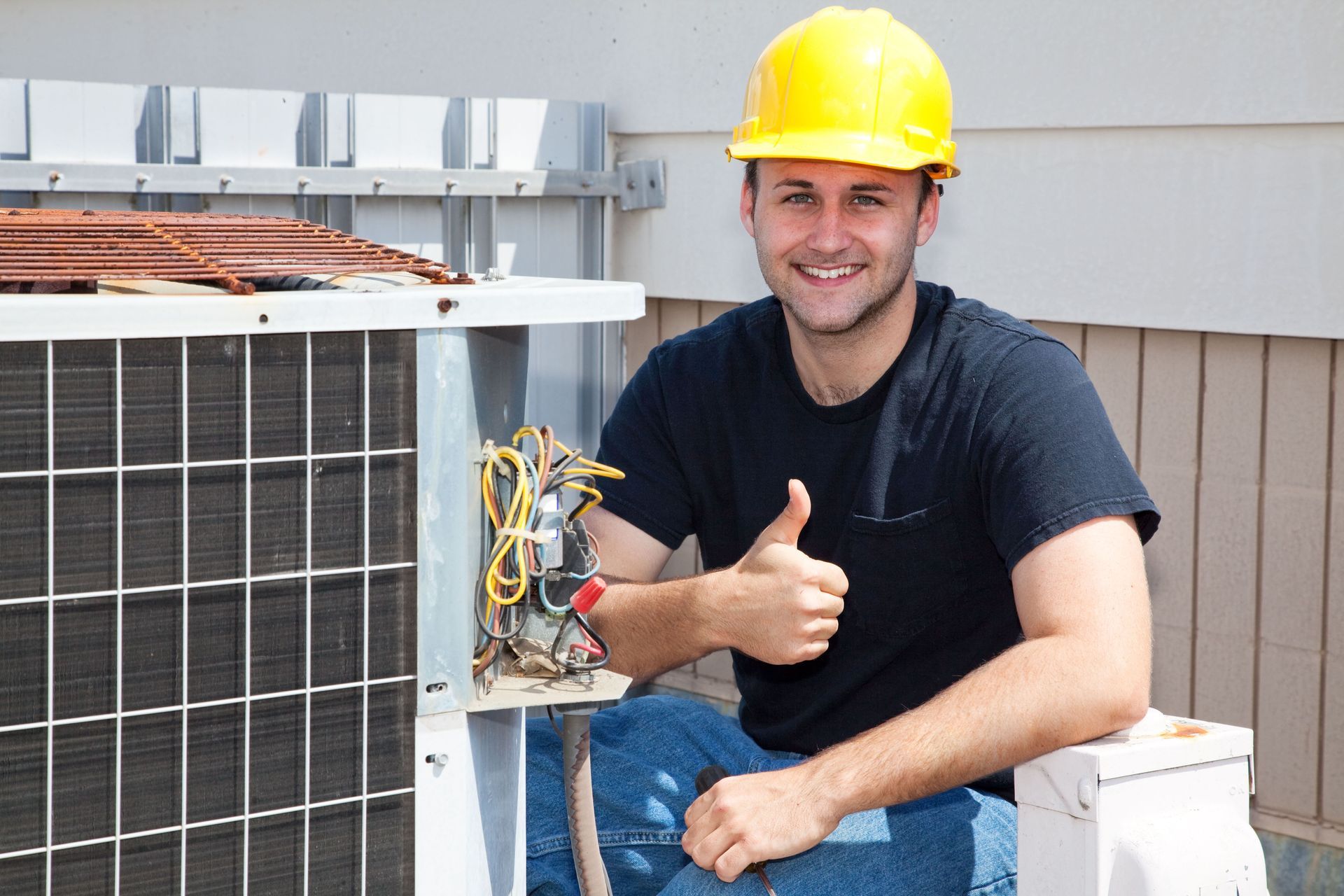
Transitioning from an outdated cooling system to modern climate equipment involves complex thermodynamic principles and mechanical standards that exceed general handyman capabilities. Relying on specialized AC services gives homeowners direct access to trained technicians who calculate precise Manual J load calculations, ensuring machinery matches the exact cubic footage, insulation values, and architectural orientation of the dwelling. Improperly sized units cause persistent short-cycling, inadequate humidity removal, and premature mechanical breakdown. Furthermore, certified technicians possess up-to-date knowledge regarding local mechanical codes, electrical circuit safety, venting requirements, and environmentally acceptable refrigerants. Partnering with seasoned industry specialists safeguards manufacturer warranties and guarantees that sophisticated digital diagnostic tools verify peak operating efficiency from the very first hour of activation.
Choosing the Right Cooling Specialists
Selecting the ideal contractor requires a diligent review of technical credentials, background experience, and verifiable customer satisfaction records. When comparing different AC services in your community, confirm that prospective companies maintain active state licensing, comprehensive liability coverage, and manufacturer-certified master technicians who undergo regular continuing education. Independent review platforms and consumer protection agencies provide transparent windows into a company’s operational consistency, transparent billing, work ethic, and punctuality. It is equally important to examine warranty terms thoroughly; dependable contractors provide comprehensive labor guarantees alongside standard manufacturer parts warranties. Requesting detailed, itemized proposals enables fair comparisons across equipment tiers, installation timelines, and post-installation service agreements, shielding households from unexpected surcharges or vague scopes of work.
Coordinating a Seamless System Installation
Executing a successful cooling installation depends on precise logistical coordination between property owners and the mechanical installation crew. Modern equipment upgrades often involve modifying electrical disconnects, rebuilding transition ductwork, retrofitting return plenums, or swapping obsolete wall thermostats with smart communication hubs. Coordinating with technicians who deliver dedicated AC services ensures that disruption to daily family life remains minimal throughout the entire replacement transition. A well-organized team establishes clear daily milestones, protects household flooring and furnishings, and safely evacuates existing refrigerants in strict compliance with federal environmental regulations. Once physical components are securely mounted, technicians perform comprehensive static pressure checks and calibrate airflow distribution, leaving the household with an optimized, fully operational system and zero residual job-site debris.
Integrating Connected Smart Technologies
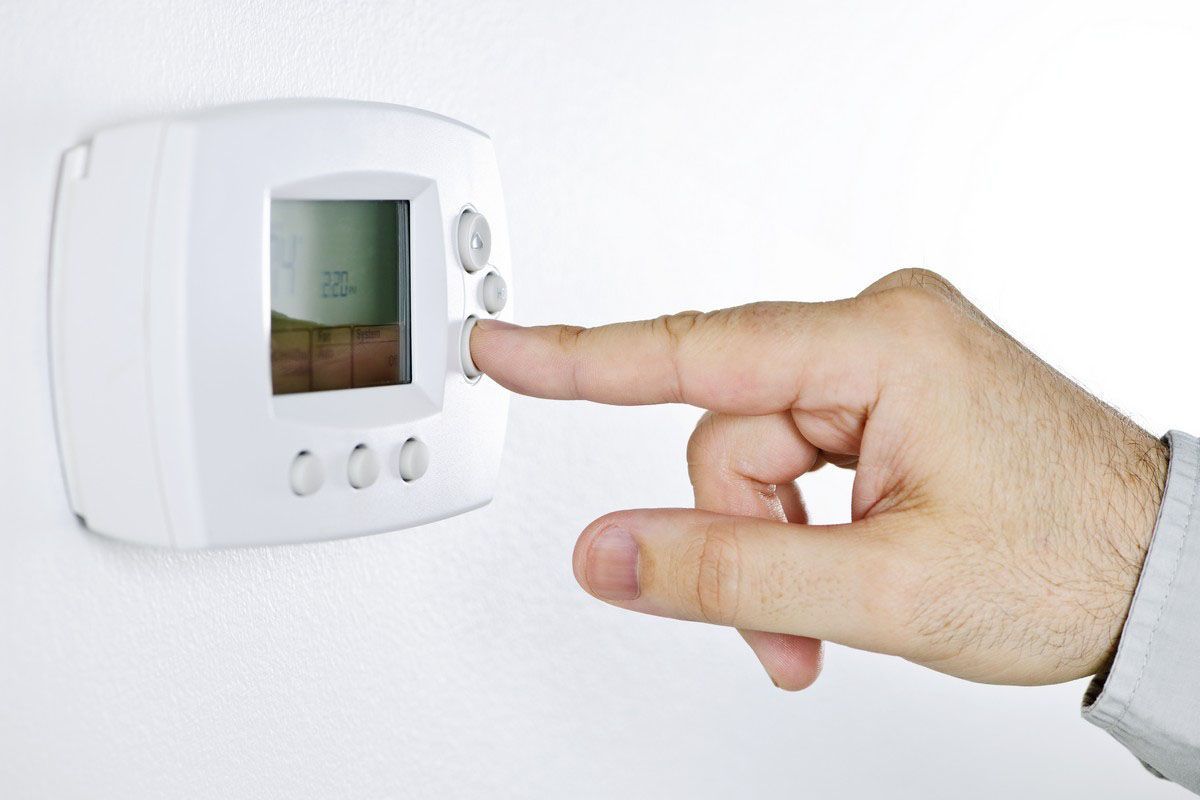
Modern cooling upgrades reach their highest efficiency potential when paired with intelligent automation and smart thermostat platforms. Advanced climate systems continually monitor indoor humidity, ambient outdoor temperatures, and localized occupancy patterns to modulate cooling output dynamically. Rather than blasting chilled air at full capacity during brief cooling cycles, variable-speed compressors match specific cooling demands in real time, dramatically curbing energy spikes and eliminating drastic temperature swings. Smart thermostats also grant homeowners intuitive mobile control over zoning parameters, track energy metrics across billing cycles, and issue predictive maintenance reminders before minor system discrepancies escalate into operational breakdowns. Incorporating smart home automation transforms basic cooling into an adaptive, interconnected environment that optimizes daily comfort while driving consistent operational savings month after month.
Prioritizing Indoor Air Quality and Health
Indoor comfort encompasses far more than simple ambient temperature adjustments; it fundamentally depends on circulating clean, pathogen-free air throughout living areas. Outdated cooling coils and neglected ductwork frequently harbor particulate allergens, mold spores, pet dander, and airborne irritants that exacerbate chronic respiratory conditions. Incorporating advanced air filtration alongside standard AC services ensures your home upgrade features high-efficiency particulate air (HEPA) purification, whole-house dehumidification, and germicidal UV air purifiers. Modern cooling equipment actively manages indoor humidity levels to prevent biological growth within building cavities, creating a healthier living atmosphere for children, elderly family members, and allergy sufferers. Breathing purified, properly balanced air fundamentally elevates daily well-being, improves sleep quality, and preserves long-term structural health across the entire residence.
Implementing Routine Preventative Maintenance
Sustaining the efficiency and dependability of a newly installed cooling system necessitates consistent, proactive seasonal care throughout its operational life. Overlooking preventative upkeep accelerates component degradation, compromises manufacturer warranty protections, and causes system efficiency ratings to slip noticeably year after year. Enrolling in recurring AC services simplifies seasonal maintenance by scheduling structured multi-point evaluations ahead of peak summer heatwaves. Skilled technicians clean condenser coils, inspect electrical contactors, lubricate moving assemblies, check refrigerant pressures, and flush condensate drain lines to prevent catastrophic water damage. This disciplined maintenance approach preserves high operational performance, lowers the frequency of emergency breakdown calls, and significantly extends the service life of major mechanical components, protecting your investment.
Maximizing Long-Term Comfort and Value
Investing in high-quality AC services guarantees reliable cooling performance, substantial utility savings, and enhanced real estate appraisal value for years to come. Prospective homebuyers increasingly scrutinize mechanical systems, viewing energy-efficient climate control as a primary selling point that signals a well-maintained, move-in-ready property. Strategic home upgrades not only deliver immediate day-to-day relaxation through whisper-quiet operation and precise climate zoning but also protect household equity through durable, future-proof home infrastructure. By pairing modern mechanical equipment with dedicated professional upkeep, you safeguard your family’s comfort across every season while reducing overall energy expenditures. When you are ready to enhance your indoor comfort and explore modern cooling solutions, contact Joe East One Hour Heating and Air Conditioning to schedule your personalized consultation today.


Share On: