

Historical Insights on HVAC Systems
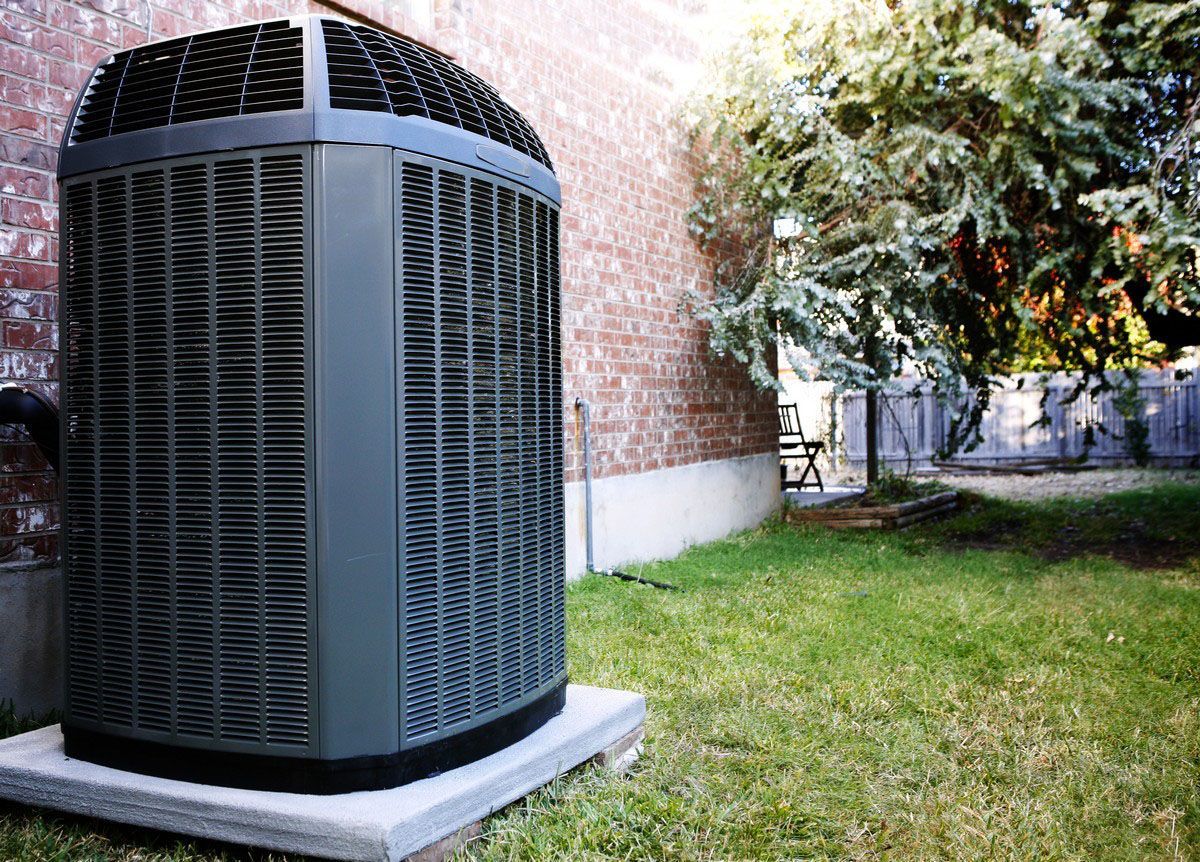
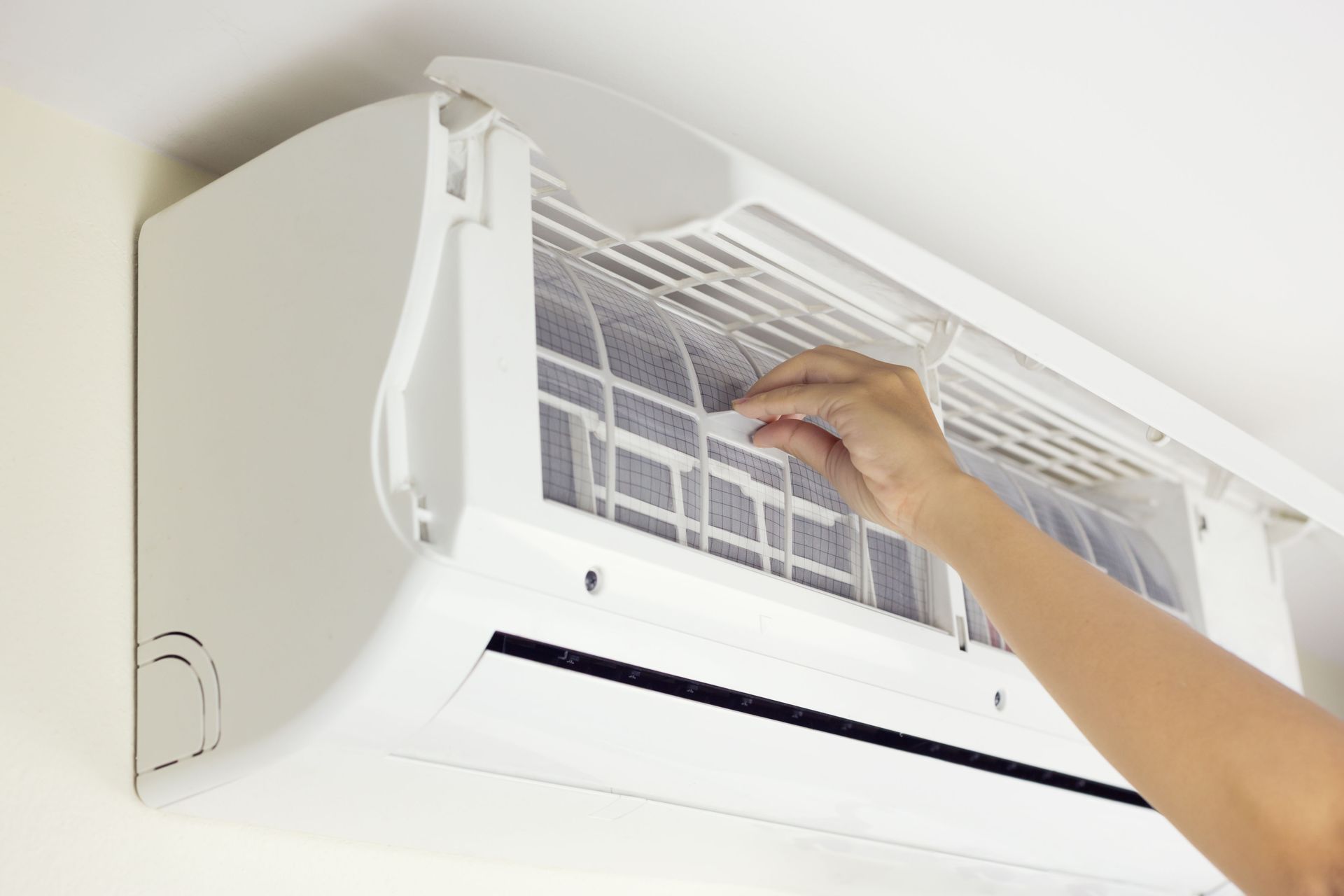
Heating, Ventilation, and Air Conditioning (HVAC) systems have become a cornerstone in modern building constructions, ensuring comfort and well-being in both residential and commercial spaces. From ancient methods of heating and cooling to the sophisticated electronic systems today, the evolution of HVAC systems paints a fascinating tapestry of technological innovation and adaptation. Understanding the history of HVAC systems offers valuable perspectives on how human ingenuity has consistently worked to create comfortable living environments across various climates and conditions.
Early Heating Systems and the Origins of HVAC Technology
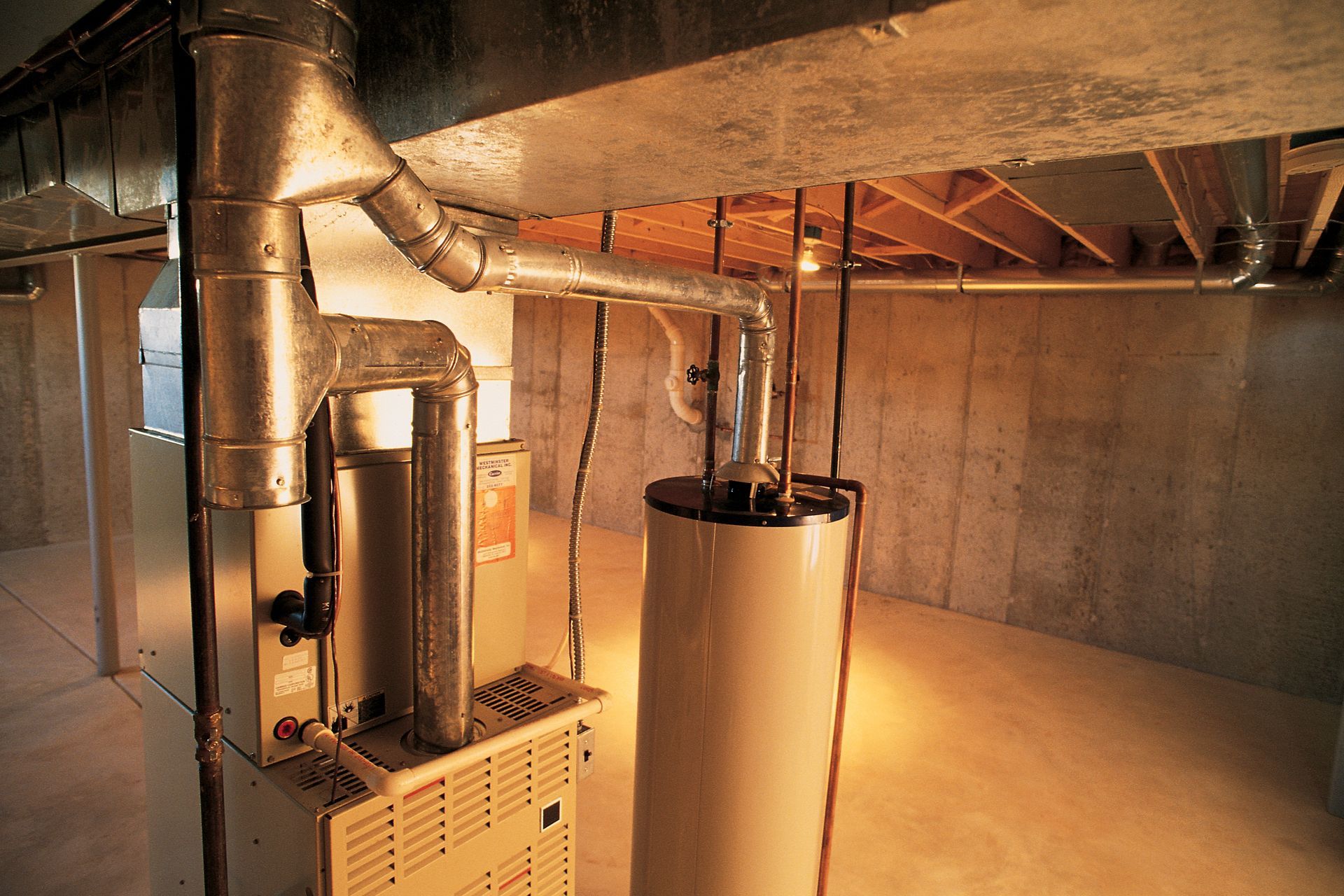
The history of heating technologies dates back to ancient civilizations, where the Romans were among the first to engineer functioning heating systems known as hypocausts. These systems were used in bathhouses and some homes, cleverly funneling hot air from a furnace through hollow spaces under floors and within walls. This innovative approach laid foundational principles for modern heating methods, underscoring the importance of directing heat where it is most needed while ensuring efficient energy use. Innovations in heating have since evolved, incorporating steam, radiant heat, and even solar technology to enhance efficiency and sustainability.
The Evolution of Ventilation and Indoor Air Quality Control
Ventilation technology has its ancient roots as well, consistently developing through time with society’s growing understanding of air quality. In medieval Europe, architects used high ceilings and strategically placed windows to promote natural air circulation within buildings. With advancements in scientific knowledge, especially during the Industrial Revolution, new methods were devised to artificially ventilate spaces, thus improving indoor air quality and worker productivity. Mechanical ventilation systems became critical in factories, hospitals, and public spaces, setting the stage for modern air quality management systems that play a pivotal role in today’s HVAC designs.
The Birth of Modern Air Conditioning in HVAC History
The modern era of air conditioning began with an iconic innovation by Willis Carrier in 1902, who created the first electrical air conditioner to regulate humidity in a printing plant. According to Workyard, this invention marked the start of modern HVAC systems, revolutionizing how indoor climates were controlled and maintained. Carrier’s pioneering work not only improved working conditions but also paved the way for air conditioning to become an integral aspect of architecture and urban development, profoundly influencing building design and functionality in hot and humid climates around the globe.
20th-Century HVAC Innovations and Widespread Adoption
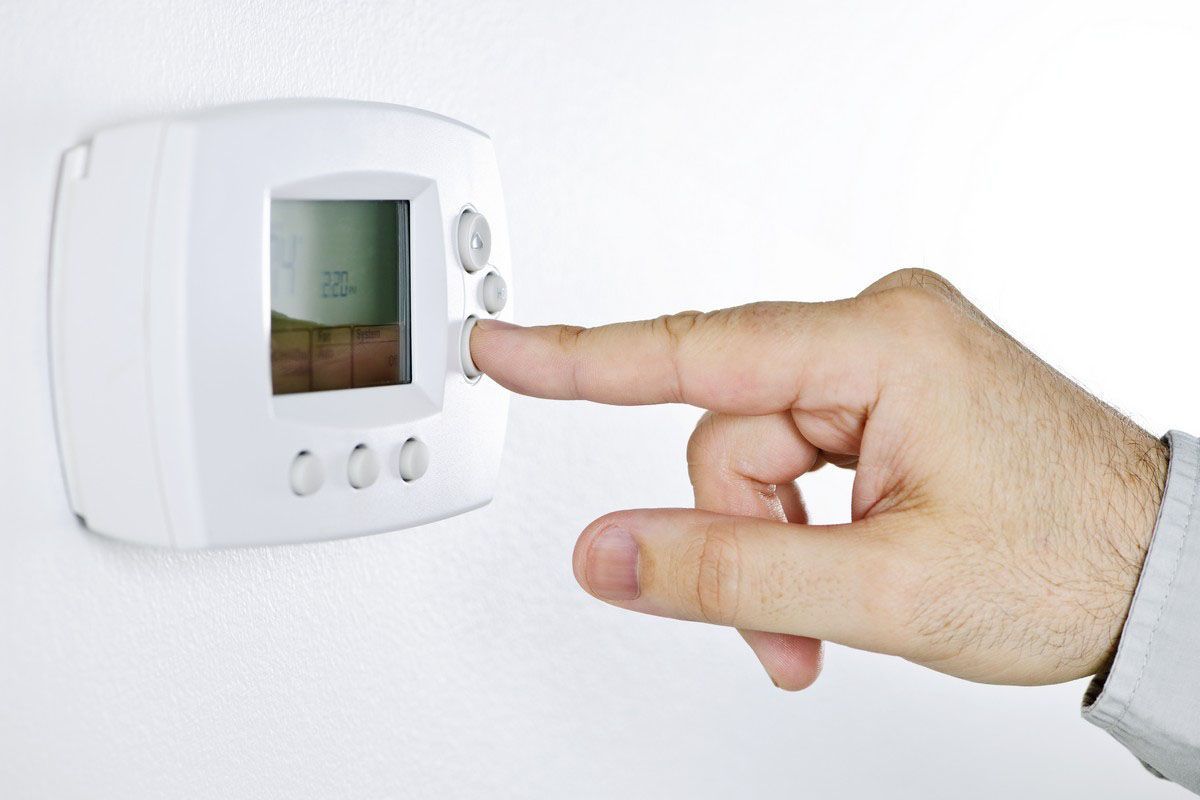
The technological advancements in HVAC systems extensively progressed throughout the 20th century, driven by increasing demands for comfort and energy efficiency. The introduction of thermostats and other automated controls transformed HVAC systems into intelligent entities capable of maintaining precise indoor climates. The 1950s and 60s witnessed a surge in residential air conditioning, making what was once a luxury a common feature in homes. These advancements coincided with post-war economic prosperity, allowing more people to enjoy the benefits of air-conditioned environments, thus impacting lifestyles and productivity positively.
Sustainable HVAC Technologies and the Future of Climate Control
As environmental concerns mount, the HVAC industry continues to innovate, focusing on sustainability and reducing carbon footprints. The incorporation of renewable energy sources, smart home integration, and environmentally-friendly refrigerants exemplifies the sector's commitment to eco-friendly practices. Today’s HVAC systems are designed not only to provide comfort but also to operate efficiently to minimize energy consumption. As the world faces the challenges of climate change, the evolution of HVAC systems remains crucial in ensuring that buildings contribute positively to environmental preservation while also adapting to the increasingly diverse needs of modern structures.
The journey of HVAC systems from ancient methods of heating and ventilation to today’s sophisticated climate control solutions showcases a remarkable evolution driven by human need and technological progress. From Willis Carrier's seminal invention of the electrical air conditioner to contemporary sustainable solutions, HVAC systems have continually adapted to meet the changing demands and environmental challenges. As we look towards the future, both the opportunities for innovation and the responsibilities for environmental stewardship in the HVAC industry become more imperative than ever, pledging a continued pursuit of comfort and efficiency within our living and working spaces.
For reliable comfort backed by modern HVAC expertise, contact Joe East One Hour Heating and Air Conditioning today. Count on fast, dependable heating and cooling service when you need it the most.





Share On: