

What Happens When You Keep Running an Outdated Air Conditioning System?
An aging air conditioning system can create more problems than homeowners realize. While an older unit may continue running, declining efficiency, recurring repairs, and inconsistent cooling can make it increasingly expensive to operate. These issues can affect household comfort, monthly utility bills, and even indoor air quality. Understanding the drawbacks of keeping outdated equipment can help homeowners decide when it makes sense to invest in a replacement. Knowing what to expect from newer systems also makes it easier to evaluate available options and determine when professional assistance from AC companies is needed.
Understanding the Financial Costs of an Outdated AC System
Increasing Energy Consumption
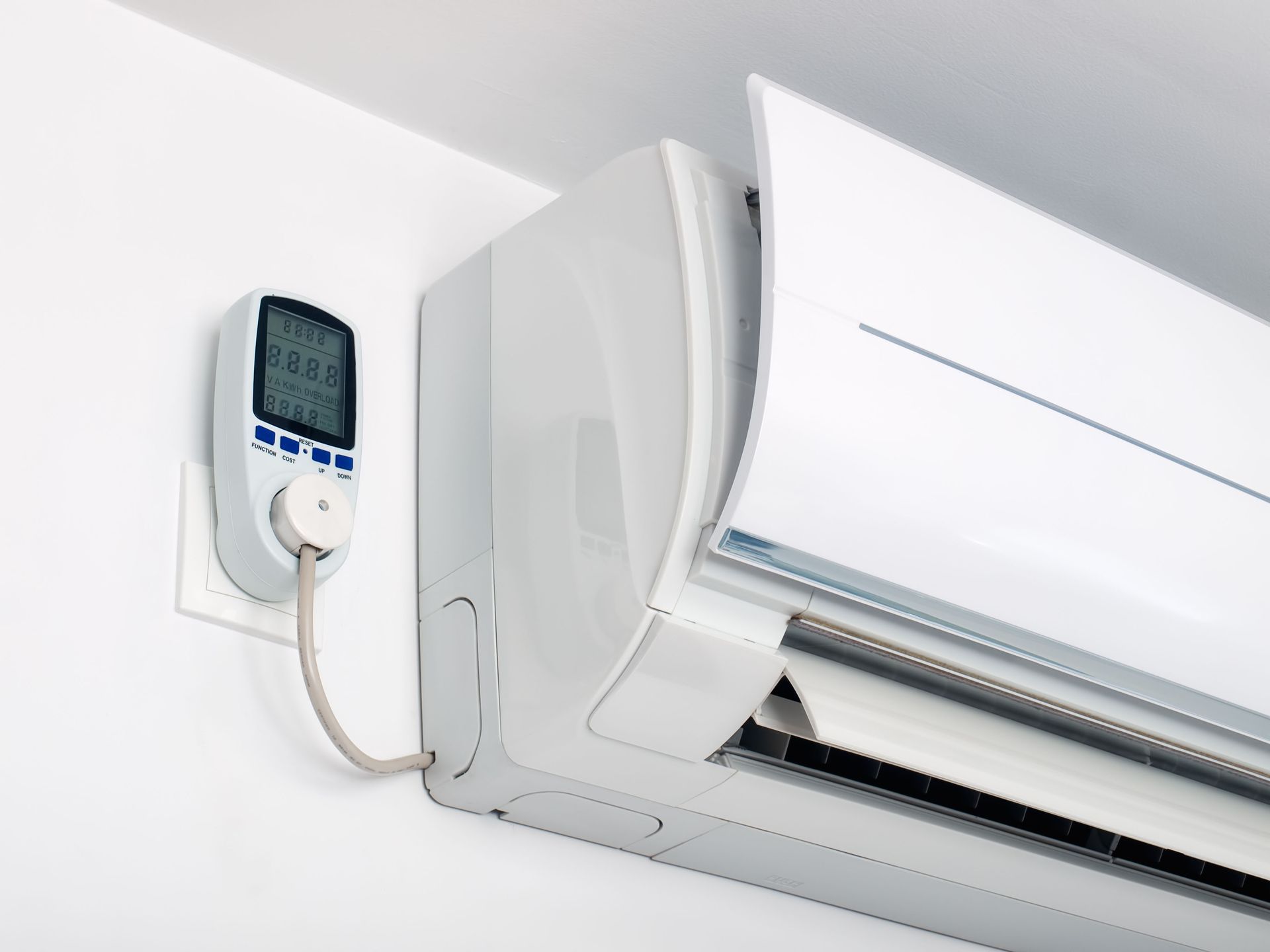
Older air conditioning systems generally consume more electricity than newer models. As components wear down and technology becomes outdated, the equipment may need to run longer to maintain comfortable indoor temperatures. This increased energy consumption can contribute to noticeably higher utility bills, particularly during warmer months when air conditioning operates frequently.
Modern systems incorporate improved components and energy-saving features that help regulate cooling more efficiently. Variable-speed motors, improved compressors, and compatible smart thermostats can reduce unnecessary energy use. Homeowners who continue operating outdated equipment may miss opportunities to lower their monthly expenses through a more efficient system.
Accumulating Long-Term Expenses
High electricity bills are only one part of the financial burden associated with aging equipment. Frequent repairs, replacement components, and additional maintenance appointments can gradually increase ownership costs. Although avoiding a new installation might seem like the less expensive option initially, repeated service expenses can make an older system increasingly costly to maintain.
AC companies can evaluate equipment condition and help homeowners compare the potential costs of continued repairs with those of replacement. This assessment provides a clearer picture of whether keeping the existing unit is financially practical.
Recognizing the Decline in Cooling Performance
Experiencing Inconsistent Temperatures
As an air conditioner ages, its ability to distribute cool air throughout a home may decline. Some rooms might remain comfortable while others become noticeably warmer. This uneven temperature distribution can result from deteriorating components, airflow restrictions, or equipment that no longer meets the household's cooling demands.
Older systems may also struggle to maintain consistent temperatures during periods of extreme heat. Homeowners might find themselves constantly adjusting the thermostat without achieving the desired level of comfort. Although certain problems can be corrected through repairs, persistent performance issues may indicate that the equipment is approaching the end of its useful life.
Dealing With Longer Cooling Cycles
An aging air conditioner may run for extended periods because it cannot cool the home as efficiently as it once did. Longer operating cycles increase electricity consumption and place additional strain on mechanical components. This added workload can contribute to premature wear and make future breakdowns more likely.
Homeowners should pay attention to changes in how frequently their equipment operates. If the system runs almost continuously without maintaining comfortable temperatures, a professional evaluation can help identify the underlying problem. AC companies can determine whether the issue involves a repairable component or declining overall system performance.
Managing Increased Maintenance and Repair Requirements
Addressing Frequent Breakdowns
Mechanical components naturally experience wear as air conditioning equipment gets older. Motors, capacitors, compressors, and other parts may eventually require repairs or replacement. While routine maintenance can help identify developing problems, it cannot prevent every age-related failure.
Repeated breakdowns can become particularly frustrating during the hottest parts of the year. An unexpected malfunction may leave household members uncomfortable while they wait for service. If repair appointments become increasingly common, homeowners should consider whether continued maintenance is the most practical approach.
Finding Compatible Replacement Parts
Maintaining older equipment can also become more complicated when manufacturers discontinue certain models. Replacement components may become harder to find, potentially increasing repair costs and extending the time needed to restore operation. In some situations, technicians may have fewer options for addressing problems involving outdated equipment.
According to Today's Homeowner, if your air conditioning unit is over 10-15 years old and you're facing frequent repairs, it might be time to consider replacing it entirely. This is an important consideration when evaluating whether another repair is worthwhile or whether investing in newer equipment would provide better long-term value. AC companies can help homeowners understand their replacement options.
Evaluating Environmental and Indoor Air Quality Concerns
Reducing Energy-Related Emissions
Outdated air conditioning equipment can have a greater environmental impact because of its higher electricity consumption. When a system requires more energy to provide the same amount of cooling, it indirectly contributes to increased emissions from electricity generation. Replacing inefficient equipment with a modern alternative can help reduce household energy consumption.
Refrigerant technology has also changed over the years. Some older air conditioners use refrigerants that have been phased out because of their environmental effects. For example, R-22 was widely used in older systems but has been phased out of new production and importation in the United States. Maintaining equipment that relies on outdated refrigerants can become more challenging as supplies become limited.
Improving Indoor Air Conditions
An aging air conditioner may also have difficulty supporting healthy indoor air conditions. Worn components, dirty filters, restricted airflow, and drainage problems can contribute to dust accumulation and excess moisture. When humidity levels are not properly controlled, indoor spaces may become uncomfortable and more susceptible to mold growth.
Modern air conditioning systems can offer improved filtration compatibility and humidity management. However, indoor air quality also depends on proper maintenance, clean ductwork, and appropriate ventilation. Replacing an outdated unit can be one part of a broader effort to maintain a cleaner and more comfortable home environment.
Planning for a More Reliable Air Conditioning System
Evaluating Replacement Timing
Deciding when to replace an air conditioner requires looking beyond its age alone. Homeowners should consider repair frequency, operating costs, cooling performance, and the condition of major components. A system that is more than a decade old but still operates reliably may have some useful life remaining. However, several recurring problems occurring together can make replacement worth considering.
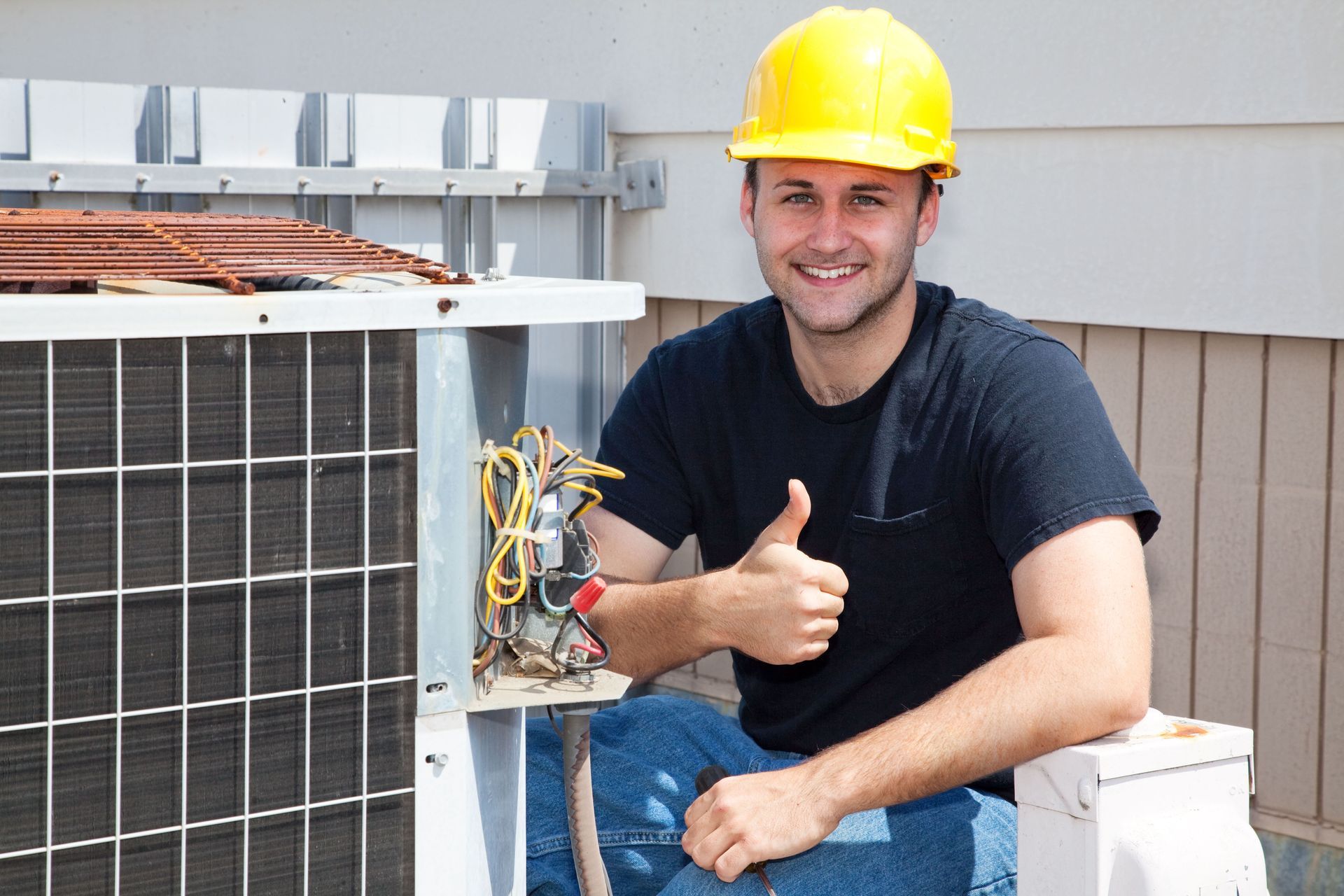
AC companies can inspect existing equipment, review its repair history, and explain whether replacement may be more practical than additional service. A professional assessment also helps homeowners avoid making decisions based solely on one malfunction or an unusually high utility bill.
Selecting Appropriate Replacement Equipment
Choosing a new air conditioner involves more than selecting the newest or most expensive model. The system must be appropriately sized for the property and its cooling requirements. Factors such as square footage, insulation, window placement, ceiling height, and local climate can influence equipment selection.
Homeowners should also compare energy efficiency ratings, available features, warranty coverage, and expected operating requirements. Professional installation is equally important because incorrect sizing or improper setup can interfere with performance. Qualified AC companies can explain available equipment options and help homeowners understand which features are relevant to their properties.
Preparing for the Installation Process
Replacing an older air conditioner generally involves evaluating the existing setup, selecting compatible equipment, and preparing the installation area. Technicians may need to inspect electrical connections, refrigerant lines, drainage components, and other parts of the cooling system. They can also determine whether any modifications are necessary before installing the replacement unit.
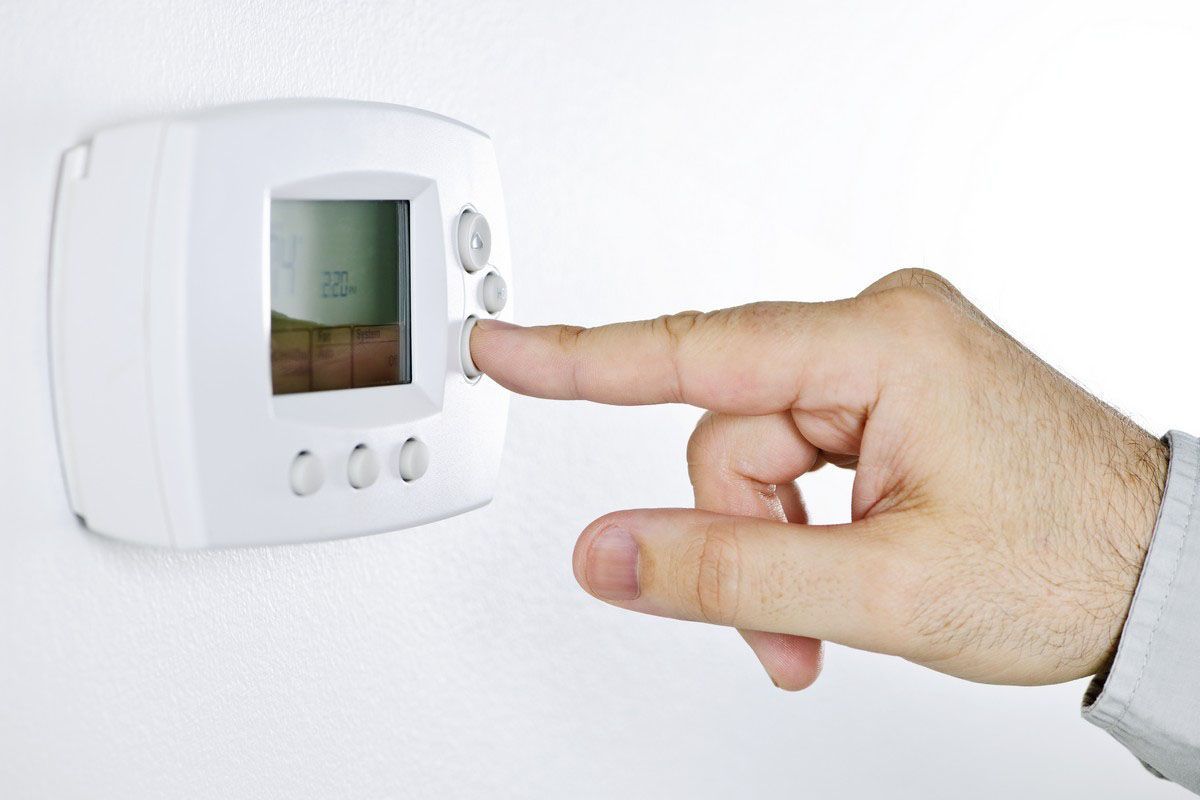
After installation, the system should be tested to confirm that it operates correctly and distributes cool air as expected. Homeowners should receive information about thermostat operation, filter replacement, and recommended maintenance. Understanding these responsibilities can help protect the new equipment and support consistent performance.
Making an Informed Decision About AC Replacement
Continuing to operate an outdated air conditioning system may seem convenient, but the disadvantages can become increasingly difficult to ignore. Higher utility bills, unreliable cooling, repeated repairs, and outdated technology can all affect the cost and comfort of maintaining a home. Evaluating these concerns early gives homeowners more time to compare their options rather than waiting for an unexpected system failure.
Regular professional inspections from AC companies can help identify developing problems and provide useful information about equipment condition. Even when replacement is not immediately necessary, understanding the system's current performance and potential limitations can make future planning easier.
Homeowners who are experiencing recurring air conditioning problems can turn to Joe East One Hour Heating and Air Conditioning for assistance evaluating their cooling systems and exploring replacement options. Contact the team to discuss your home's cooling needs and learn more about available air conditioning services.

Share On: