

Decoding HVAC Sounds: What Banging, Squealing, or Buzzing Means for Your AC
An air conditioner should generally operate with a consistent, familiar sound while keeping indoor spaces comfortable. When banging, squealing, buzzing, or rattling noises suddenly appear, they may indicate that something within the system needs attention. Some sounds result from loose components or routine vibration, while others can point to electrical problems, airflow restrictions, or mechanical wear. Recognizing these differences can help homeowners decide when to schedule an inspection instead of allowing a small issue to become more serious. A residential HVAC system relies on several connected components that must work together to circulate air and regulate indoor temperatures. When one part begins malfunctioning, unusual sounds may be among the first noticeable warning signs. Paying attention to changes in noise can support timely maintenance and help prevent unexpected breakdowns. Understanding common AC sounds also makes it easier to explain the problem when contacting a qualified technician.
Understanding Banging and Clanking Sounds
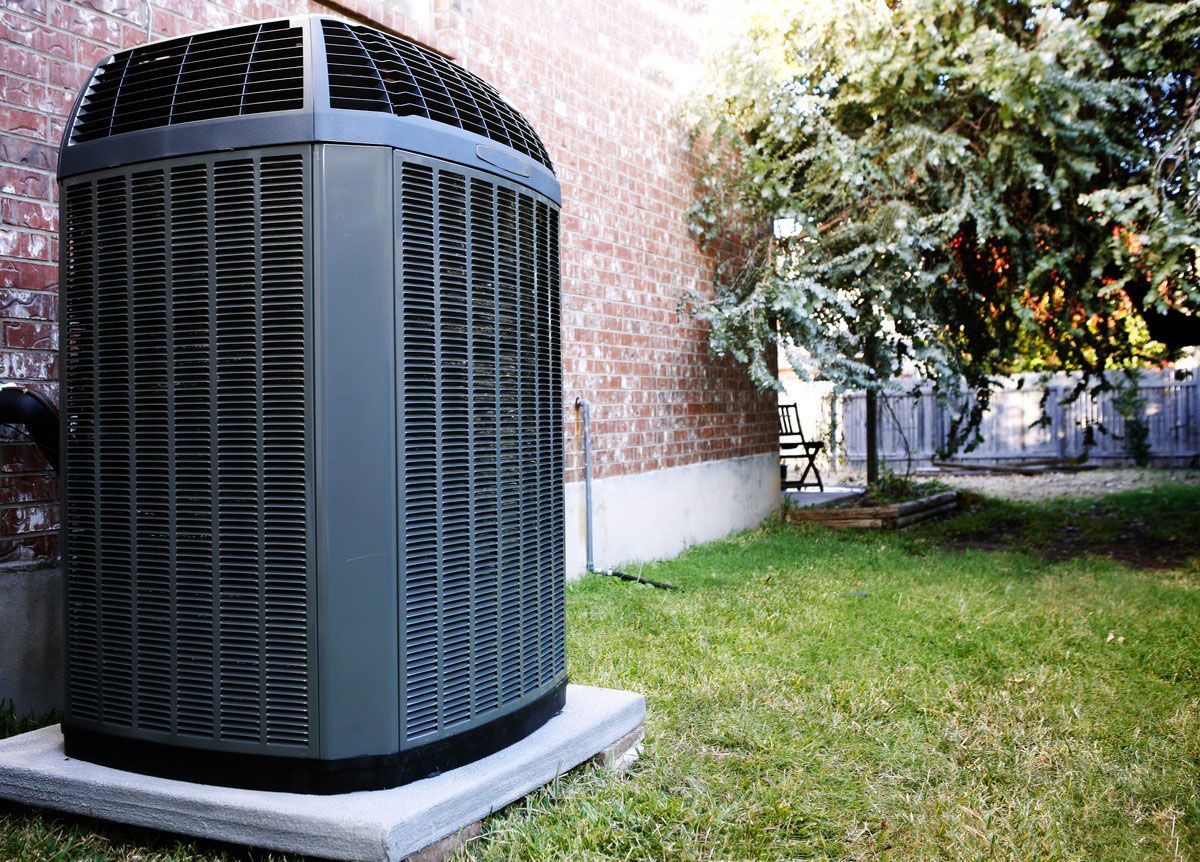
A loud banging or clanking noise coming from an air conditioner can indicate that a component has become loose or damaged. Inside the outdoor unit, fan blades may strike debris or another object if something obstructs their movement. Loose panels, mounting hardware, or internal parts can also create repeated impacts while the equipment runs. In some cases, a banging sound may originate from ductwork expanding and contracting as temperatures change. However, persistent or unusually loud impacts should not be dismissed as ordinary operating noise. Homeowners should turn off the equipment if the sound is severe or appears to come from a moving component, then arrange a professional inspection. Avoid opening the unit or attempting to reposition fan blades because electrical and mechanical hazards may be present. A technician can identify the source of the noise and determine whether tightening, cleaning, or replacing a component is appropriate.
Identifying High-Pitched Squealing Sounds
Squealing or screeching noises often suggest friction involving a moving part. Depending on the equipment design, possible causes include worn bearings, a failing motor, or a belt that has deteriorated or slipped. Some older systems use belt-driven components, while many newer air conditioners rely on direct-drive motors. Because designs differ, the sound alone cannot confirm which part needs attention. A squeal that becomes louder as the system runs may indicate that a component is experiencing increased resistance. Continuing to operate the equipment without investigating the cause can place additional strain on affected parts. Professional residential HVAC service can help determine whether the noise comes from a motor, fan assembly, or another moving component. Homeowners should avoid applying general-purpose lubricants or adjusting internal parts without manufacturer guidance and the appropriate technical knowledge.
Recognizing Buzzing and Humming Noises
A low hum may be part of normal air conditioner operation, but a new or unusually loud buzzing sound deserves attention. Electrical components such as contactors, capacitors, and wiring connections can produce abnormal sounds when they are failing or operating improperly. A buzzing noise may also come from loose panels, vibrating hardware, or a fan that is struggling to move. If the outdoor unit buzzes but the fan does not start, the system may have a mechanical or electrical problem that requires professional evaluation. Electrical faults can present a shock or fire risk, so homeowners should not remove access panels or touch exposed wiring. Turn the equipment off if the buzzing is pronounced, accompanied by a burning smell, or associated with repeated failed starts. A trained technician can inspect the electrical and mechanical components and recommend the necessary repair. Prompt attention can help prevent a minor fault from causing further equipment damage.
Investigating Rattling and Vibrating Sounds
Rattling often occurs when a loose object or component vibrates as air moves through the system. Outdoor units may rattle because of loose access panels, accumulated leaves, twigs, or unsecured mounting hardware. Inside the home, ductwork can vibrate when air pressure changes or when sections are not adequately supported. Filters that do not fit correctly may also move and produce a light rattling noise during operation. Homeowners can check for visible debris around the exterior unit and confirm that the air filter is installed properly, provided these checks can be completed safely. They should not reach through protective grilles or remove panels to access moving parts. If the noise continues after basic checks, a residential HVAC technician can inspect the equipment, ducts, and mounting points. Finding the source early can help maintain quieter operation and reduce unnecessary vibration-related wear.
Examining Clicking and Repeated Starting Sounds
An occasional click when an air conditioner starts or stops may be normal as controls and components engage. Repeated clicking, however, can indicate that a thermostat, relay, contactor, or another control component is not functioning correctly. If the outdoor unit repeatedly attempts to start without running properly, the problem may involve an electrical component or the compressor system. Frequent starting and stopping can also place extra stress on the equipment and interfere with consistent cooling. Homeowners should note whether the clicking occurs when the thermostat calls for cooling, during startup, or after the system shuts down. This information can help a technician narrow down possible causes. Avoid repeatedly switching the system on and off to test it, particularly if the unit struggles to start. A professional assessment can establish whether the issue requires a control adjustment, electrical repair, or further diagnosis.
Connecting Unusual Sounds With System Age
Air conditioners experience wear as motors, fans, electrical parts, and other components complete repeated operating cycles. According to Sealed, central air conditioning systems may last from 10 to 30 years, although many average approximately 10 to 15 years of service. Actual lifespan depends on equipment quality, installation, usage, maintenance, and environmental conditions. As a system ages, unusual noises may become more frequent as individual components deteriorate. However, age alone does not mean replacement is immediately necessary, and a newer system can also develop problems. A technician can assess the equipment's condition, repair history, operating performance, and energy use before recommending a solution. For homeowners comparing repair with replacement, residential HVAC professionals can explain the likely costs and practical considerations of each option. Making decisions based on the system's overall condition helps avoid replacing functional equipment unnecessarily while recognizing when repairs may no longer be worthwhile.
Responding Safely to Warning Sounds
When an air conditioner begins making unfamiliar noises, homeowners should pay attention to the sound's intensity, timing, and frequency. A brief, mild click may be less concerning than continuous grinding, heavy banging, or a loud electrical buzz. If the system produces smoke, a burning odor, visible sparks, or repeated electrical interruptions, turn it off if safe to do so and seek qualified assistance. Do not open electrical compartments, handle refrigerant lines, or attempt repairs involving capacitors, motors, or pressurized components. Keeping the area around the outdoor unit clear of leaves and other debris can support proper airflow, but internal cleaning should be left to a professional when access is unsafe. Regular filter checks and scheduled maintenance can also help identify developing problems before they interrupt cooling. When contacting a technician, describe the noise, when it occurs, and whether the system still cools effectively. These details can help guide an efficient inspection and reduce the risk of further damage.
Maintaining Reliable Air Conditioning Performance
Consistent maintenance can help keep an air conditioner operating efficiently and make developing issues easier to recognize. Homeowners should replace or clean filters according to the manufacturer's recommendations and keep supply and return vents unobstructed. Outdoor equipment should have adequate clearance, and visible debris should be removed without reaching inside the unit. Professional inspections can help identify worn components, airflow problems, drainage concerns, and electrical issues that may not be obvious during everyday use. Timely residential HVAC repairs can restore proper operation when a technician identifies a specific fault. It is also useful to monitor changes in cooling performance, indoor humidity, and energy consumption alongside unusual sounds.
Banging, squealing, buzzing, and rattling sounds can provide important clues about your air conditioner's condition. While some noises have simple explanations, persistent or severe sounds may indicate mechanical wear or electrical problems that need professional attention. Joe East One Hour Heating and Air Conditioning can help homeowners address air conditioning concerns and determine appropriate next steps. If your AC has developed an unfamiliar noise or is no longer operating as expected, contact us to discuss the issue and arrange professional service.


Share On: